Blog

Your blog category

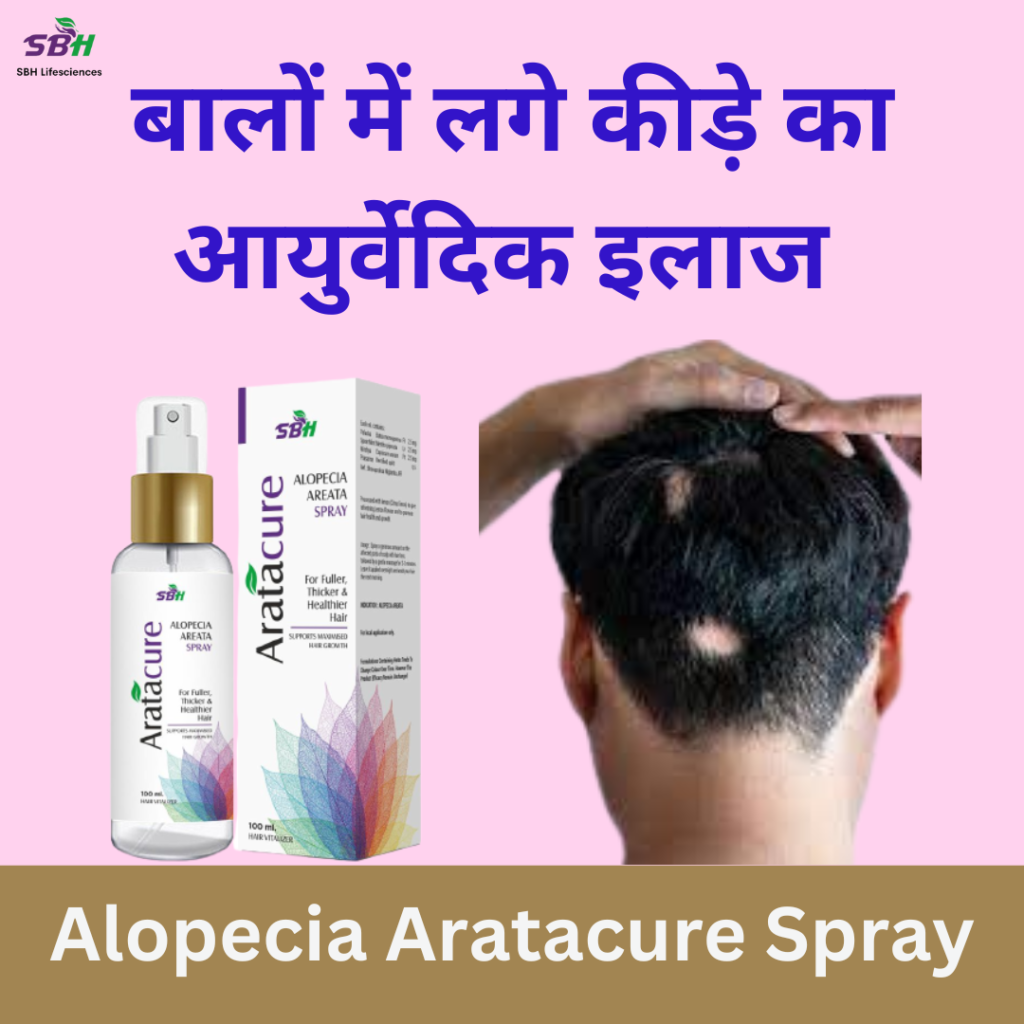
बालों में लगे कीड़े का आयुर्वेदिक इलाज 1024x1024

बालों में कीड़ा क्यों लगता है? लक्षण, कारण और असरदार इलाज

बालों में कीड़ा लगना, जैसा कि नाम से प्रतीत होता है, वास्तव में कोई भौतिक कीड़े की समस्या नहीं है, बल्कि यह एक प्रकार की स्कैल्प संबंधित समस्या है जिसमें खुजली और संक्रमण हो सकता है। यह शब्द बालों में होने वाले रूसी, फंगल संक्रमण, या फिर सिर के जूँ के संक्रमण को वर्णन कर […]

बालों में कीड़ा क्यों लगता है? लक्षण, कारण और असरदार इलाज Read More »
Aratacure Banner 02 1536x480 1 768x240

Exploring Tak Poka Treatment with SBH’s Ayurvedic Medicine Aratacure Spray

Tak Poka, a term colloquially used to refer to the condition of Alopecia Areata in some cultures, is an autoimmune disease where the immune system mistakenly attacks the hair follicles, leading to hair loss. Traditional and modern medicine has pursued various treatment avenues to manage this condition, and one such modern approach incorporating ancient wisdom

Exploring Tak Poka Treatment with SBH’s Ayurvedic Medicine Aratacure Spray Read More »

SBH Alopecia Areata Medicine Spray: A Breakthrough Ayurvedic Solution for Alopecia Areata

Introduction: Alopecia areata is a common autoimmune disorder that results in hair loss, typically in patches, on the scalp and sometimes on other parts of the body. It can have a significant impact on a person’s self-esteem and quality of life. While there is no known cure for alopecia areata, various treatments are available to

SBH Alopecia Areata Medicine Spray: A Breakthrough Ayurvedic Solution for Alopecia Areata Read More »

5 things you need to know about Penukorukudu (alopecia areata)

Wondering why you are experiencing extensive hair loss? If yes, then it could be penukorukudu (alopecia areata). It is a medical disorder in which hair usually falls in small patches, making visible round bald areas on the head. Research indicates that the penukorukudu (alopecia areata) affects approximately 147 million people globally but the exact cause

5 things you need to know about Penukorukudu (alopecia areata) Read More »

Scroll to Top